Building a new home is an exciting milestone, but it can also become a stressful and time-consuming process without the right planning and support. From purchasing a block of land to coordinating builders, approvals, and design selections, there are many stages involved before construction even begins. For many families and first-time buyers, managing each part separately can feel overwhelming, especially when unexpected delays or costs arise along the way.
The traditional building process often requires buyers to work with multiple parties at once, including land developers, contractors, lenders, and local councils. Keeping everything organised and aligned can be difficult, particularly for those unfamiliar with the construction industry.
Delays in one area can easily affect the entire project timeline, creating frustration and uncertainty.
Simplifying the Planning Process
One of the most time-consuming parts of building a home is the planning stage. Buyers must often search for suitable land, compare builders, review designs, and organise finance before construction can even commence. Managing these responsibilities separately can create unnecessary complications and increase the likelihood of delays.
A more coordinated approach allows buyers to manage these stages together rather than independently. This helps simplify decision-making and reduces the amount of research and administration required throughout the process. Instead of negotiating separate agreements with multiple parties, buyers can often work through a more unified system that keeps planning organised and efficient.
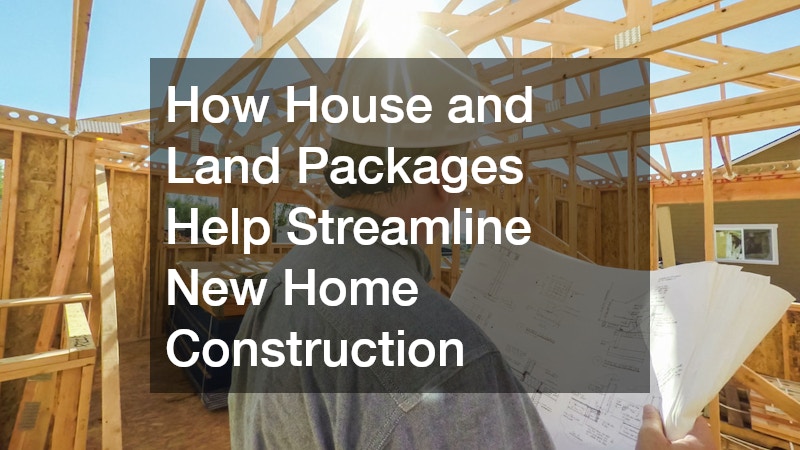
For many people, house and land packages provide a more structured way to move through the early stages of construction. Because the land and home design are already aligned, there is less uncertainty about compatibility, planning approvals, and construction requirements. This creates a smoother transition from purchase to build commencement and helps reduce common planning obstacles.
Improving Communication and Coordination
Construction projects can quickly become stressful when communication breaks down between different parties. Misunderstandings between builders, contractors, suppliers, and developers can lead to delays, added expenses, and frustration for homeowners. Coordinating all these moving parts independently often requires significant time and attention.
A streamlined building model improves communication by centralising many aspects of the process. Buyers typically have fewer points of contact, making it easier to track progress and resolve issues quickly when they arise. This creates greater consistency throughout the project and reduces the risk of conflicting information.
Clearer coordination also helps improve scheduling. Construction timelines are easier to manage when all major components of the project are organised from the beginning. This can reduce downtime between stages and help ensure materials, approvals, and labour are available when needed.
When buyers choose house and land packages, they often benefit from a more connected building experience where planning, design, and construction are better aligned. This level of coordination can make the entire process feel more manageable and less stressful for families balancing other commitments.
Faster Construction Timelines
Time is an important consideration for many buyers, especially those transitioning from rental properties or temporary living arrangements. Traditional construction projects can sometimes face delays due to poor coordination, approval bottlenecks, or issues between separate contractors and suppliers.
A more streamlined approach helps minimise these delays by organising the major stages of the project from the beginning. Because the home design and site are already connected, approvals and preparation can often move forward more efficiently than in a completely custom build.
Construction timelines can also become more predictable when builders work with established designs and planned communities. Familiarity with the site layout and infrastructure can reduce complications during the build phase and improve overall efficiency.
Many families choose house and land packages because they provide a more straightforward pathway to homeownership. By reducing unnecessary delays and simplifying coordination, buyers are often able to move into their homes sooner than they might through more traditional building methods.
Supporting Better Long-Term Planning
Building a home is not only about immediate convenience but also about long-term lifestyle planning. Buyers need to consider how their home will suit future needs, including family growth, work arrangements, and changing financial circumstances. A structured building process can help support better long-term decision-making by providing greater clarity from the beginning.
Planned communities often include nearby amenities such as schools, parks, shops, and transport links, helping families choose locations that support their future lifestyle goals. Buyers can also select designs that match their anticipated needs rather than trying to adapt an older property later.
This forward-thinking approach can improve both comfort and long-term property value. By choosing a home design and location that align with future priorities, families may avoid the need for costly renovations or relocations later on.
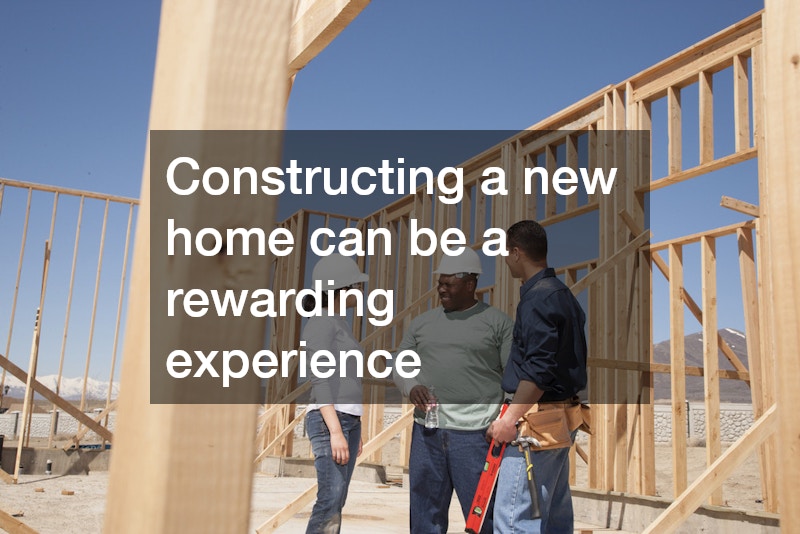
Constructing a new home can be a rewarding experience, but it also involves many moving parts that require careful planning and coordination. Managing land selection, design decisions, budgeting, and construction timelines separately can create unnecessary stress and increase the risk of delays or unexpected costs.
A more integrated approach helps simplify the process by bringing key stages together into a more organised system. This improves communication, increases cost transparency, and helps buyers move through the building journey with greater confidence and efficiency.
Ultimately, choosing the right building approach depends on individual goals, financial circumstances, and long-term plans. However, for those seeking a more efficient and less stressful experience, a coordinated building solution can provide valuable peace of mind while supporting the successful construction of a new family home.