Choosing the right size for a pergola can make a significant difference to how comfortable, practical and visually appealing your outdoor space feels. A structure that is too small may not provide enough room for furniture or entertaining, while one that is too large could overwhelm your garden or backyard.
There is no single ideal size for every property. The right dimensions depend on how you plan to use the space, the size of your outdoor area and the features you want to include. In this article, we explore the key factors to consider when deciding how large your pergola should be.
Consider How You Will Use The Space
Start by thinking about what you want the pergola to provide. If your main goal is creating a small shaded area for relaxing, you may not need a particularly large structure. A compact design could comfortably accommodate a couple of chairs and a small table.
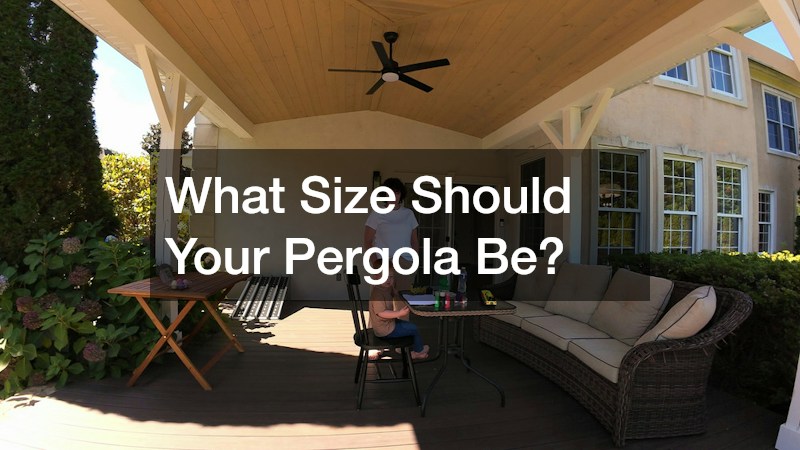
If you plan to entertain guests, you will probably need more space. A dining table, outdoor chairs and enough room for people to move around can quickly increase the amount of floor space required.
For households that want an outdoor living area, larger pergolas can provide enough room for seating, dining and other features without making the space feel cramped.
Measure Your Available Area
The size of your backyard or patio should play an important role in your decision. Measure the area where you intend to install the pergola and consider how much space you want to leave around it.
Remember to account for existing features such as garden beds, pathways, pools, fences and outdoor structures. You should also think about how people will move through the space.
A pergola should complement your outdoor area rather than making it difficult to access other parts of the property.
Think About Your Furniture
Furniture can have a surprisingly large impact on the dimensions you need. Before choosing a pergola size, measure the furniture you already own or intend to purchase.
For example, a dining table needs enough space for chairs, as well as room for people to pull the chairs out and walk around them. Lounge furniture may require additional space between individual pieces to prevent the area from feeling crowded.
Creating a simple layout on paper or marking the proposed dimensions on the ground can help you visualise how much room you actually need.
Allow Room For Movement
A comfortable outdoor area needs more than enough space for furniture. You should also allow room for people to move around naturally.
Avoid positioning furniture directly against posts or other structural elements if doing so restricts access. Consider where people will enter and exit the space and whether doors or gates need to open into the area.
Planning clear walkways can make the finished structure feel more spacious and functional, even when the overall footprint is relatively compact.
Consider The Height
Size is not only about length and width. The height of the pergola can also affect how the structure looks and feels.
A higher roof can create a more open and airy atmosphere, while a lower structure may feel more enclosed. The appropriate height can depend on the property’s architecture, the design of the pergola and whether additional features such as lighting, fans or climbing plants will be installed.
If the structure will be attached to your home, its proportions should also complement the existing building.
Plan For Future Needs
Your outdoor requirements may change over time, so it is worth considering how you might use the area in the future. A small seating area may eventually become an entertaining space, or you may want to add an outdoor kitchen, dining furniture or additional shade.
Choosing pergolas with enough room for potential additions can prevent you from outgrowing the space too quickly. However, avoid making the structure unnecessarily large simply because you might use the space differently one day.
Aim for a size that meets your current needs while offering some flexibility.
Check Local Requirements
Before finalising your dimensions, check whether local planning or building requirements apply. Depending on your location, factors such as the structure’s height, position, size and proximity to property boundaries may affect what you can build.
Council requirements can vary, so it is important to confirm the relevant rules before construction begins. An experienced professional can also help you understand any requirements that may apply to your project.
Balance Size With Your Property
The best pergolas are those that feel like a natural part of the property. A large structure may be useful for entertaining but could dominate a small backyard. Conversely, a very small pergola may look out of proportion in a large outdoor area.
Consider the scale of your home, garden and existing outdoor features when selecting the dimensions. The goal is to create a balanced space that provides enough room without unnecessarily taking over the yard.
Determining the right pergola size requires more than simply measuring the available backyard space. Consider how you plan to use the area, the furniture you need, movement around the structure, its height and any future additions you may want.
Taking time to plan the dimensions can help you create a comfortable and functional outdoor living area. If you are unsure about the ideal size for your property, speak with an experienced pergola professional who can help you develop a design suited to your space and requirements.